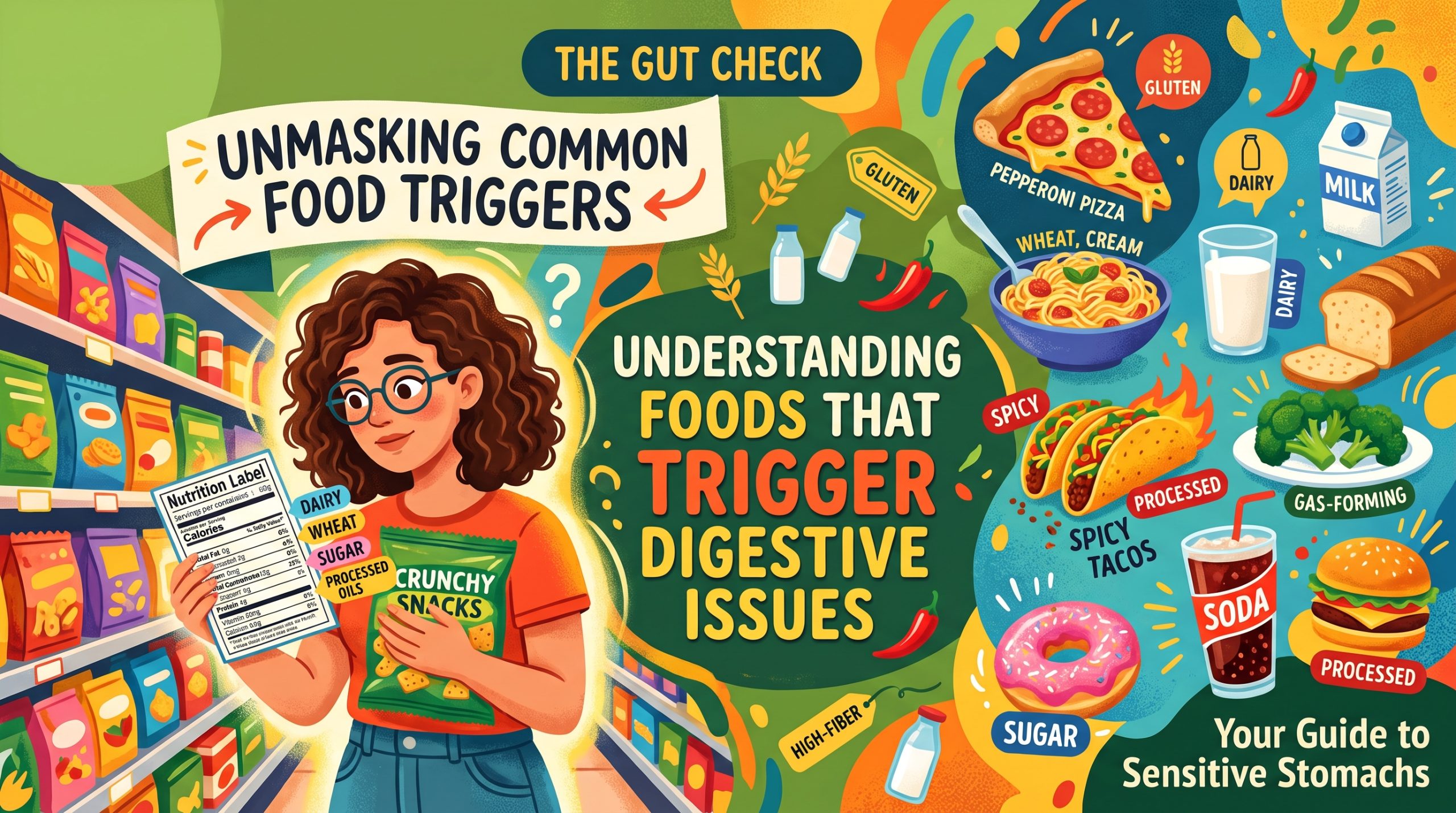
Welcome to Living the Qud Life. Today, we’re going to talk about traveling with dietary issues, and those can be chronic issues or random acute issues. It can be allergies, it can be digestive issues, it could be things like Crohn’s, or it could just be that your system doesn’t like certain things.
So we want to treat food just as we would any other logistics for travel. So you’ll need to plan ahead, pack intentionally, research your destination’s food landscape, and have a reliable backup system. This will reduce stress, prevent emergencies, and keep you nourished even when options are limited.
We’re planning a trip to northern Italy in a few months, and I have started transitioning to a strict vegan diet, and I’m a little concerned about how I’m going to be able to maintain that diet. And I’m also thinking about how other people, when they’re traveling, might have very restrictive diets and how that’s going to work. Right, and that’s something you can’t just wait until you get to Italy to think about.
I mean, things are different there. And already, I like to have a place, especially when we base ourself in a hub and are in a place for several days, to have kitchen access. And that’s especially good when you are following a certain diet.
And if you need to take certain medications that need to be refrigerated, maybe, like for me, tea makes everything better, so having a kettle is good, having a microwave is good, especially if you don’t want to go out a lot, or if you have certain favorites that you like to cook no matter where you go. Some of those may not be available locally, and you can do your research before. I’m working on a book about using AI to plan travel, and for our upcoming Italy trip, we are using that to find out where we can find certain things.
And I think we’re going to Parma, and I think that will be a real challenge for Robert. I will follow along with his diet, but there’s like cheese and prosciutto, so we may have to eat separately. That kind of brings us to the core questions that are going to shape our entire food plan and sort of general food plan for anyone who’s traveling with dietary issues, concerns.
And the first question is, will you have kitchen access? Will you have a fridge, a microwave, a kettle, or even a full kitchen? And this is going to determine how much you need to pack and prep.
And some things you do automatically if you’re used to it, but especially when you travel abroad, you don’t know exactly where you might find gluten-free, low sugar, no sugar, no oil, dairy-free. I mean, if you have lactose intolerance, will that be in the refrigerator at the local supermarket like it is at home, or do you have to go to a separate store to find things like that? So it’s just good to plan.
And then one thing that I think both of us have learned is that you can only take care of yourself. Nobody’s going to take care of you, so don’t assume that, oh, we’ll just go to Italy and we’ll find what we need. We can find stuff to eat on the plane.
Don’t do that. If you need certain foods, say you have hypoglycemia, you have to eat regularly, don’t count on getting food on the airplane. You know there are times, oh, we ran out of a certain meal or they forgot to load something to the cart.
So be responsible for yourself and always have your little emergency snacks or medications with you. And I’ve been thinking about that. I’m going to order a vegan meal for the plane trip across and then coming back also.
So I’ll see how that works. That’s the first time I’ll have done that. Some destinations can be extremely accommodating.
Italy has a gluten-free awareness, so I’m going to be interested in that. I’m not gluten-free, but I’m just curious to how they’re approaching that. And then there’s other things too you need to think about.
If you have allergies, and you know some people can say, oh yeah, this is gluten-free or this hasn’t been mixed with nuts or any other contaminants that may upset your system, you do need to carry your own EpiPens, antihistamines, and you know some people wear the bracelets, especially traveling abroad. Take all of your medications in their original packaging. If you are going to bring some food with you, you need to be aware that some countries do restrict meat, dairy, and fresh produce.
So you need to check the rules before packing any of those items. It’s just always good to have backup supplies. I remember one time we were taking the train from Seattle to Portland, and the train just died.
And even though the train was kind of dying along the way, nobody thought about having buses ready to meet us along the route. And one thing that was really interesting was they had provisions on board the train that were designed for just this kind of emergency. However, their food provisions had expired two years earlier.
Right. So some of the things, you know, it’s not like it was refrigerated food, but maybe starving could be a better option than eating the expired food. And, you know, nobody showed up with like, oh, you guys haven’t had it.
It was also very hot in the train and nobody showed up with water or anything like that. So you really need to plan for those worst case scenarios, delays, closures, limited stock. And an important thing is to build redundancy into your food plan.
Exactly. I go in with the attitude that really nobody cares about me, so I need to take care of myself and plan for the extra snack or the extra water, extra food or whatever it is. So what you need to do is, or a recommendation, you don’t need to do anything that we say, but in the first 24 hours, think about what you will need then when you arrive in a new destination, what you need for daily staples or emergency backups and medical essentials.
So this is going to be packing and you need to think about this in layers. So packing in layers and packing for your first 24 hours is what Teresa is talking about. Take things like, I guess, those provisions on the train, like things that are stable and don’t expire or haven’t expired.
So maybe like nuts, dried fruits, granola bars, maybe candy, sturdy vegetables like pre-washed apples, carrots. And again, just be careful when you arrive in a different country, they may not allow produce. Right.
And then maybe have some meal replacement. Like Ensure, like the milkshakes or those shakes, but you may not be able to travel with those in your carry-on luggage, right, because they’re large. Correct.
Although they are medically necessary, I wouldn’t trust it. Traveling with kids, you know, they also have dietary considerations, you need to take care of, so be sure you pack and are prepared for them. And then you also need to think about further along in the trip, you need to pack smart staples.
And those are things that will travel well and fill nutritional gaps. Things like rice crackers, dried soups, boxed beans, microwavable grains like oatmeal, rice, shelf stable proteins, tuna packets, jerky, shelf stable tofu, specialty items that sometimes are hard to find, gluten-free bread, dairy-free snacks. Just be sure if you have any perishables, you pack those safely.
You might consider vacuum sealing proteins, taking things that last longer, like yogurts, fruit or cooked meals. Use insulated bags or ice packs while you’re traveling. And depending upon where you’re going to stay in your hotel rooms, if you don’t have, if you don’t have a kitchen available, you could sort of build your own mini kitchen.
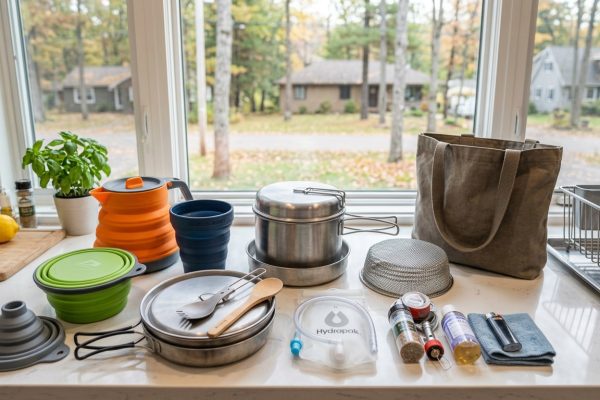
You could take travel size oil, vinegar, spice blends, collapsible containers, mason jars, maybe a small knife and a cutting board, tiny can opener, sporks. But watch out, you know, with the small knife, don’t put it in your carry-on. If you don’t have a room with a kitchen, and even if you do, you might want to wait to buy things like oil and vinegar.
Besides foods and a mini kitchen, be sure you have your medical and communication essentials with you. Everybody doesn’t know what your needs are or what you may be allergic to, so maybe you want to take two EpiPens and keep those in a carry-on, not in your truck luggage because they’d be useless. Allergy translation cards in the local language and a printed allergy plan.
Like I said, some people do wear the bracelets. Then carry along things like hand sanitizer. And disinfectant wipes.
And disinfectant wipes because you know how well they clean planes. You’ll want to research your food options at your destination. This will help reduce uncertainty and build confidence.
You can look at what the local cuisine will entail and find out what ingredients are common, are hidden, maybe unavoidable. For example, in Japan, they use seafood in many different broths. And like we said before, Italy is becoming highly gluten aware.
And that’s something I’m also looking forward to trying, to see just, you know, what the difference in taste is. And even though I don’t need to watch out for gluten, it’s just nice to know what kind of substitute that is. And especially when it comes to your digestive system or your health.
The last thing you want to be is sick or spending hours in your hotel room or in the bathroom. And that is another thing to check on. If you have digestive issues of any kind, search out where there are toilets.
There is an app, and I can’t remember what the name is. I’ll look it up and put it in the show notes. But there are other apps too.
So if you’re looking for vegan, vegetarian options, and this is a worldwide spotter, it’s Happy Cow. There’s Allergy Eats for allergy-friendly restaurants. Find Me Gluten Free is a global gluten-free dining app.
And then there’s another that can scan packaged foods for allergens. That one is called Content Checked. And then be sure you use translation tools too.
When we were in Europe, the nutrition labeling was quite different from ours. And I was quite impressed with the EU program in which they were labeling foods from giving it a grade A down to a grade E, I think it was, on how often you should eat it and how healthy and nutritional it is. I think they say how much energy you get out of it, which actually means how many calories.
And I want to say they use kilocalories or joules, different than us.
[Speaker 2]
Do you remember?
[Speaker 1]
I don’t, but I remember it was quite different from how we had organized our nutrition labels. Right. It’s very different.
And then one thing to be sure is like a translation app is really good. Like there’s Google Translate and there’s others. And you can get pre-written dietary cards at celiactravel.com.
And that’s just good to have because if you have an incident and pass out or something happens, somebody could maybe see your card. So keep that handy. You can also contact your accommodation place ahead.
Some will have restaurants along with your lodging. You can ask them, can they prepare special meals? Do they have a fridge or microwave?
Could they shop for you before arrival? Which I think is more popular if you’re in a long term accommodation. Another thing is to check the grocery options.
And that was one of my favorite things to do when we were in Europe the last couple of times was to go to the Aldi store or the Little and just walk the aisles and just see how it differed. And also something similar to how we would shop for groceries and to also watch how the locals were buying their groceries. So the local supermarkets are a good place to go.
There are usually health food stores around and there may be specialty shops like gluten free bakeries or vegan cafes. And there were also in the cities, there were enough markets on the street displaying fresh produce and fruits and baked goods and such. And so you could certainly explore, investigate and ask questions.
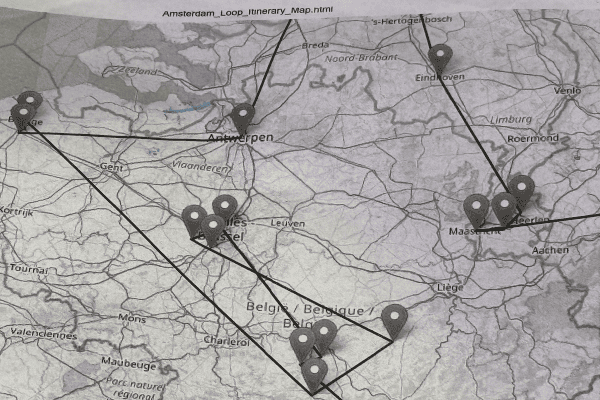
And a lot of it, it’s good to plan ahead with that. And that’s something else that we use AI to help with, you know, what’s close. And if you need something special, you could even do that research, find a place that has what you need and find a hotel that’s close to whatever supermarket or health food store works for you.
And then you really need to have a backup plan just in case. Again, we mentioned this before, keep some emergency food available. Find two to three restaurants near your hotel that, you know, have the options that you need, say you’re vegan or vegetarian or gluten free.
Check out the menus in advance and then again, see where they are and have a good map to get to your new favorite grocery store. So we can review and we can put this all together into a simple travel outline for our pre-trip planning. Remember to identify your dietary needs.
Research the local cuisine. Check for kitchen access in your accommodations. Enlist your must-have foods and pack them.
Prepare your medical documents. And have what you may need for the first 24 hours and have that in your little food kit. And that’s especially important if you have some kind of flight delay or there’s a strike or something else happens.
Remember that’s part of the layering strategy for packing. Have some shelf-stable staples. And if possible, think about your perishable items.
And if you’re in a place that will have a kitchen, find those and put them in the fridge or freezer right away. We mentioned the mini kitchen kit too. And don’t forget your allergy medical kit.
And again, I’m going to put all of these notes in the show notes so you can have a list. When you do your destination research, look at apps and tools, translation cards, grocery stores, restaurants that can accommodate your diet, and accommodation support. They may be able to help you.
And for your daily travel strategy, carry snacks, communicate clearly, wipe surfaces, pace your meals, and keep backups. Thanks for joining us today and hope this helps a little with planning for your diet while you are traveling. See you next week.
(Transcribed by TurboScribe.