Theresa:
Robert:
(Transcribed by TurboScribe. Go Unlimited to remove this message.)
Robert:
Welcome back to Living the Good Life. Real travel for real bodies. If your body changed before you were ready, but you still want to see the world, this is the place for you.
We talk accessibility, mobility, energy, and joy. Because traveling isn’t over. It’s just different.
There’s still so much travel you could do. I’m Robert.
Theresa:
And I’m Theresa. Today we’re diving into episode 2 of our Italy planning series. That’s how to use the perfect trip tips that we shared the last time.
Robert:
We’re talking points, mobility equipment, spoon-based itineraries, and how to make smart choices when you don’t have unlimited money or unlimited spoons.
Theresa:
Because, remember our guiding principle, if saving the money doesn’t make your trip better, it isn’t really a savings.
Robert:
Let’s start with points, because they can make Italy dramatically more affordable, even if you’re starting late.
Theresa:
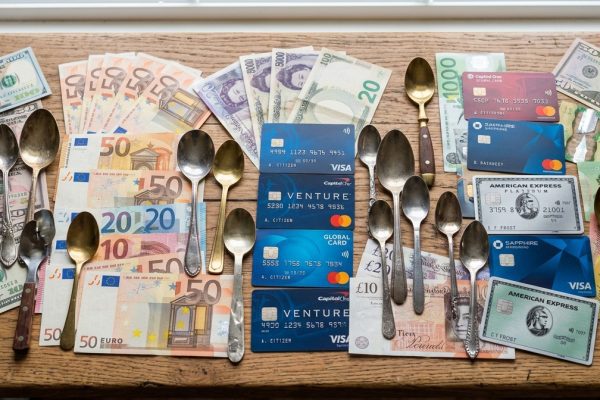
And you don’t need to have a wallet full of cards, and I know some people have more cards than I could ever imagine having. So just start with one. And find one, especially if you travel abroad, like to Italy, that has no foreign transaction fees.
Those can add up. It has a simple earning structure, and a good sign-up bonus, and easy redemption options, and I know I started with a lower cost credit card affiliated with the airline just because the luggage charges are now frightening. They can be 50 bucks or more each way for a check back.
Robert:
Most people think points come from flying. Nope. You earn them from groceries, prescriptions, gas, streaming services, utility bills, online shopping portal.
Theresa:
Oh, and I want to talk about online shopping portals, because that’s something I often forget. And you can shop through those and earn miles. And these can be things that you always buy from companies you always use.
Robert:
Use points for flights, hotels, upgrades, airport lounges. Avoid redeeming for gift cards, merchandise, cashback conversions.
Theresa:
Remember that you can protect your spoons with points. So points aren’t just about saving money. They can also be used to save spoons.
For example, maybe you can find a non-stop flight or one without a lot of connections. Again, like we said in the past episode, if you fly from a small airport, you may not have too many non-stop flight options. Maybe you’d like a hotel closer to the city, a hotel that has an elevator, or even upgrading to business or first class for your comfort.
Robert:
That’s the travel advisor rule again. Spend where it protects your body, save where it doesn’t cost joy.
Theresa:
And let’s talk about mobility equipment, because having the right gear can make or break your trip. You know, be realistic about what you take. Don’t say, oh, I don’t think I need my walker or my cane or a wheelchair.
I mean, you may even decide to rent a wheelchair at the destination. But you can buy used mobility equipment. There’s national online marketplaces, including Mobility Market USA, the Mobility Exchange, and by SellWheelchairs.com.
And of course, look locally as well. Those kind of sites, especially for local where you can check the equipment, they let you buy used scooters, lightweight wheelchairs, travel-friendly walkers. They let you compare prices and read owner reviews.
I mean, also look at estate sales.
Robert:
Italy has rental companies in major cities like Rome, Florence, and Milan. Renting can be cheaper than flying with heavy equipment.
Theresa:
Less stressful as well. Uses fewer of your spoons. Don’t have to worry about the airline damaging your equipment or it getting lost or left or not working.
So remember to choose the right equipment that you need. Italy, well, has a lot of old cities, so there’s cobblestones, hills, uneven terrain. Be sure your scooter has good battery life or you have a backup.
A wheelchair with sturdy wheels, a walker with strong brakes, or in a cane with a traction tip and good shoes.
Robert:
And always bring extra cane tips, a backup mobility aid, a small repair kit, and a printed accessibility note in Italian.
Theresa:
And that is the accessibility note is also good for admissions into some attractions. They have like an open-to-all policy in many countries in Europe. So in my case, I’m getting a note from my doctor because the note’s not only helpful for people with disabilities but also with impairments.
And in my case, even though, you know, I can’t drive or do much by myself, I have an impairment, not a disability. So I am bringing along a note from my doctor because that allows me to have my sea night guy come along with me. I mean, we’re going to a lot of castles.
I don’t always get to see much of them, but I still pay admission. So this letter from the doctor will help immensely. Besides that note, and that also helps reduce fatigue and spending.
If you, um, using your mobility aids might prevent you from having to splurge on an expensive taxi because it’s unnecessary when you have the right equipment.
Robert:
Now let’s build your itinerary around spoons, not around seeing everything.
Theresa:
And yeah, we all like to see everything because we never know when we’ll get back to a place. But consider choosing one dream moment. It can be your anchor, your North Star, the perfect trip moment for you.
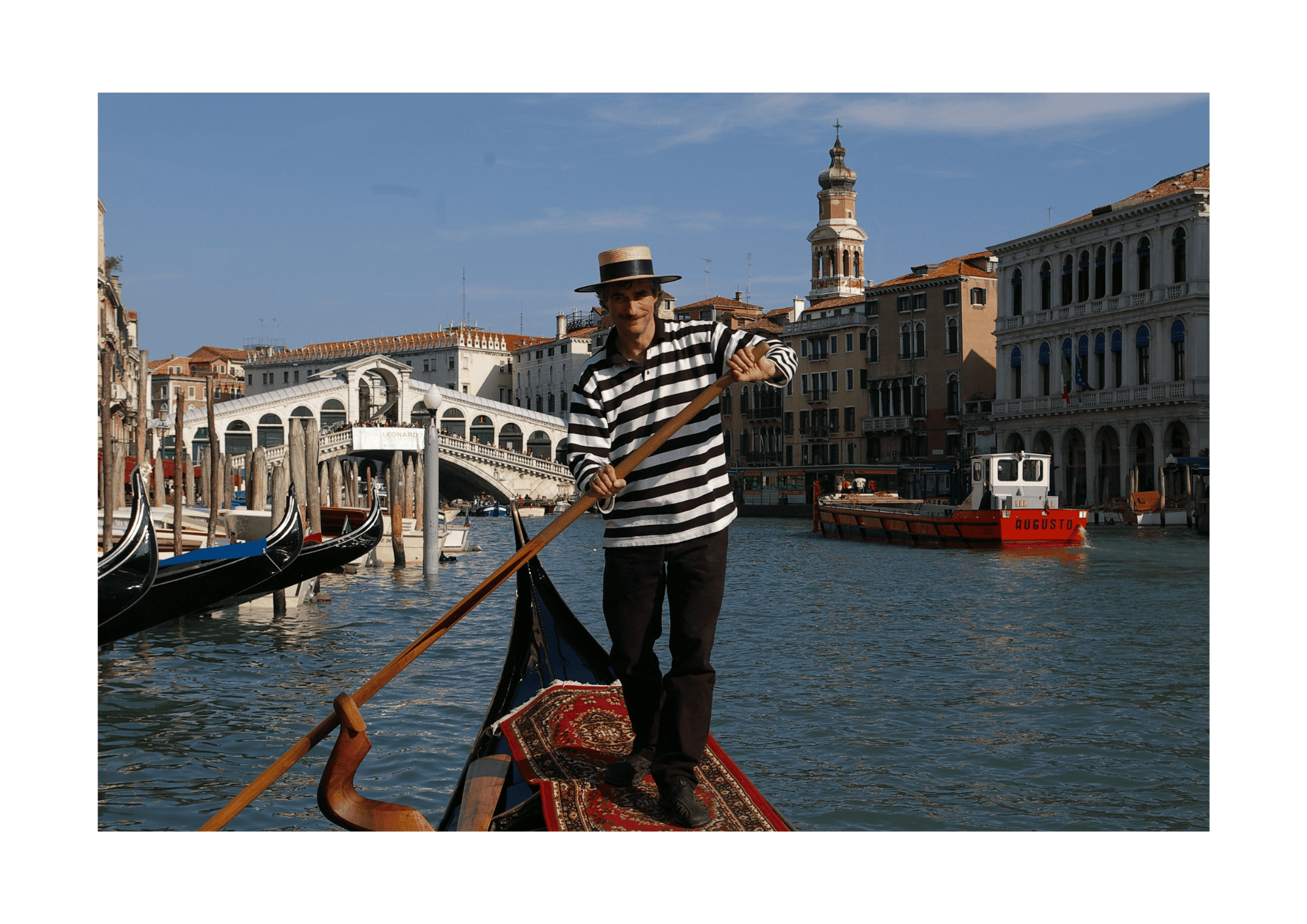
For example, maybe you want to see the Sistine Chapel, or you want to eat gelato during sunset in Florence, or ride a gondola in Venice, or visiting a vineyard and sampling wine in Tuscany. Everything else supports this moment.
Robert:
And you want to build recovery days. Every two, three days schedule a low spoon day. And that could include things like cafe sitting, neighborhood wandering, light shopping, scenic viewpoints, slow meals.
Theresa:
And that’s really critical, I think, because if you put several high spoon days in a row, you may need a lot of low spoon days to recover. So use the 3-2-1 rule. For every three high spoon activities, add two medium spoon activities and a low spoon day.
Robert:
So plan your meals around energy. High spoon days equal predictable meals. Low spoon days equal exploring, wandering, trying new things.
Theresa:
And avoid false savings. Again, if the results don’t make you happy, don’t do it. So don’t choose a cheaper, and these are examples because you, of course, have the final decision.
Don’t choose a cheaper hotel that is far from transit. I mean, that works if you have a car or a long train route with stations that have stairs, but I will say the train stations in Italy are fairly accessible. Don’t do a budget tour that is not accessible.
And try to avoid early morning flights if it takes you a long time to get ready. But remember, if you take the first flight out, if there are any problems, usually you have other options in case of delays or cancellations. Whereas if you take the latest flight and it gets canceled, you usually have to stay an extra day.
So any of these situations cost spoons, and spoons cost money.
Robert:
Okay, now let’s revisit the downloadable list and talk about how to use it. Number one, choose your dream moment. Build your budget around it.
Number two, protect your body. Spend money where it reduces fatigue. Number three, save where it doesn’t cost joy.
Use trains, markets, apartment hotels. Number four, build a fatigue buffer. Add 10 to 15% to your budget for tired day spending.
Number five, use your points strategically. Upgrade for comfort, reduce stress. Number six, use mobility marketplaces.
Buy or rent equipment that supports your body. Number seven, plan meals around spoons. Predictable meals on high spoon days.
Number eight, book accessible rooms early. They always sell out first.
Theresa:
So let’s look at a real world example. We will kind of base this on our upcoming trip to Italy.
Robert:
Here’s a dream moment. A sunset gondola ride in Venice.
Theresa:
That’s something a lot of people want to do. Also, a lot of people say, oh, that’s just a touristy thing. So take anything that’s considered a touristy thing with a grain of salt.
If it’s a tourist scam, that’s one thing. But if it’s popular with tourists, that might be because there’s something interesting or good about it, something that attracts people to that destination, monument, museum, restaurant, whatever. It’s all what you find beneficial, or it’s, you know, on a bucket list, or you’ve always dreamed of doing.
So like in the case of taking a Vaporetto in Venice, do a little bit of planning ahead. So to support both your monetary and spoon budget, maybe look for a hotel that’s near a Vaporetto. So if you want to do the gondola, the Vaporetto will take you to the gondola station.
You could also find a hotel that’s near a place to get the gondola, and maybe book in advance, see if there’s any packages, check Venice Tourism for, you know, any specific package tours that might be helpful. And then maybe after that, you would like a nice, relaxed, predictable dinner. And then the next day, have a slow morning and don’t rush it.
Robert:
Your points can cover a nonstop flight, a hotel upgrade, lounge access for mobility comfort.
Theresa:
Exactly. And that hotel upgrade might be the one that maybe overlooks the canal. So you can’t, instead of just doing your own gondola excursion, you can watch others.
So another, so you also want to look at mobility equipment. Again, in the example of the gondola, see what’s available. If you have a wheelchair, a walker, or some other assistive aid, but you’ll want a lightweight wheelchair, a cane, and maybe a backup cane, extra tips for the cane, and a repair kit for your wheelchair, scooter, walker, or whatever you’re taking with you.
Robert:
And remember the spoon-based itinerary. Three high-spoon days, two medium-spoon days, one low-spoon day. Repeat.
Theresa:
And again, the hotel upgrade could be an apartment, and having a spoken hub itinerary can help with your spoon budget. It’s all up to you, whatever makes you feel most comfortable. Thanks for joining us and listening to episode two.
Remember, your perfect trip doesn’t require unlimited money or unlimited spoons. It just requires thoughtful choices that protect your body and your joy.
Robert:
And your downloadable perfect trip tips are waiting for you. Use them to build the idly adventure your body can comfortably enjoy.
Theresa:
Arrivederci!
Robert:
free audio post-production biophonic.com
(Transcribed by TurboScribe. Go Unlimited to remove this message.)