Disclosure:This article may include affiliate links, and some items or experiences may have been provided for review or media access. We may earn a small commission if you use these links.
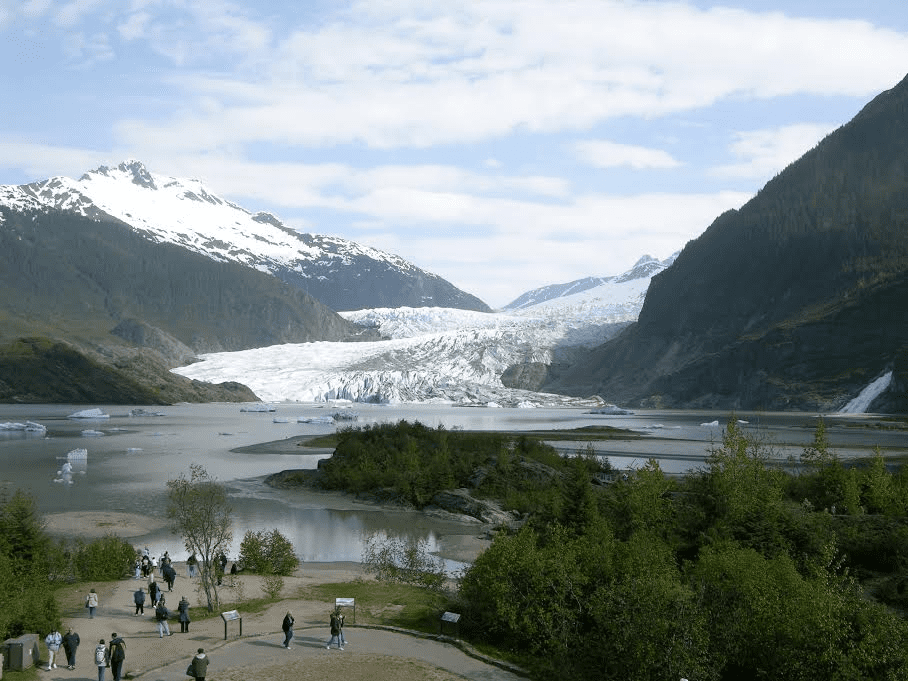
Cruising in Alaska
Getting Ready to Travel
In this episode, we share tips and tales for cruising in Alaska. There are many options for those of us with body changes. This is the foundation of the Living the Could Life approach.
Living The Could Life contains affiliate links. They don’t cost you anything, but we may earn a small commission if you use them. We may have been hosted on a trip, excursion or other travel-related event. We may have received or experienced a product for review. Any opinion is our own.
Transcript
Click Here for Transcript
:
Theresa:
Welcome back to Living the Good Life, where we talk about travel, change, and what it means to build a life that fits the body you have today, not the one you used to have or the one you wish you had. I’m Teresa.
Robert:
And I’m Robert. Today we’re diving into a bucket list giant, Alaska, but we’re doing it through a lens that doesn’t get talked about often enough. What it’s like to cruise the last frontier when you’re navigating mobility challenges, low vision, chronic illness, or other challenges.
Theresa:
We often talk about the two meanings of could. There’s the polite permission, could I sit here? And then there’s the possibility I still could see the world.
Alaska is just the perfect could destination.
Robert:
Exactly. It’s about the science of the could. We’ve talked about the McGill University studies on neuroplasticity, how our brains can rewire to find new ways to navigate the world.
Alaska cruises are built for that. The scenery comes to you. You can sit on a balcony or in a lounge with floor to ceiling windows and have a front view seat to a glacier without taking a single step.
Theresa:
People often ask, can I really do Alaska with a disability?
Robert:
And the answer is a resounding yes. In fact, Alaska is arguably the best accessible wild destination on earth because the cruise ships act as mobile base camps. You get the glaciers and the grizzly bears without the vertical hikes.
Theresa:
Use the 70-day workbook or calendar that is listed in the show notes to practice before your cruise. If you aren’t used to a scooter, practice in a local grocery store. If you have low vision, practice using your assistive tech in new environments.
Maybe you’re on a new med or digestive schedule. See how that works best for you before hopping on a cruise ship. By the time you hit the gangway in Alaska, your brain has already done the could work.
Robert:
Just a bit of housekeeping before we start. Mainstream cruises in Alaska start at four different ports. Seattle, Vancouver, Seward, and Whittier.
The last two are near Anchorage and are usually one way. The others can be either one way or round trip. We will be focusing on round trip Seattle for today.
Seattle has many daily flights. It’s a great city to visit and the port is convenient to access from downtown. Actually, there are two ports there.
Be sure you know which one you’re going to.
Theresa:
What we like to do when in Seattle is grab a city pass and explore Seattle either before or after the cruise. Another thing I really like about the port of Seattle is that when your ship returns to Seattle, you can send your luggage for free from the ship to the airport. All ships do not seem to advertise that, so be sure to ask.
That way you are left unencumbered with luggage, so it’s perfect for exploring Seattle. Many flights leave late at night on disembarkation day, so there’s often plenty of time to discover more of Seattle rather than more of Seattle’s airport. Who wants to sit the airport for hours?
We use their city pass at the end of cruises.
Robert:
The city pass is great. It was so easy to go and explore the aquarium after we had checked into the ship. Of course, we always recommend arriving in port at least a day prior to departure.
It’s more relaxing and if you’re coming from the east, it gives some time to adjust to the three hour difference in time. You want to be well rested for your cruise.
Theresa:
That is so true. You know, just talking about this Alaska cruise and prop brings back so many memories. I’m ready to go right now, but before we get started, let’s talk about a few considerations before booking the cruise.
Robert:
Like which ship to sail?
Theresa:
Not yet. You’re getting ahead of yourself. Even before that, there are a few things to think about, like your ability to do this.
Of course, we’ll add a reminder about that 70 day change workbook and calendar again. With a few adjustments, the good news is that Alaska has many options to fit your travel needs.
Robert:
But first, you need to honestly consider a few things before embarking on an Alaska or any other cruise for that matter. And if there are a few things that you think that might provide some challenges, look for alternatives like excluding an activity or excursion and substituting or finding assistance. This will help you determine if Alaska is right for you.
Theresa:
And I should mention right here, regardless of your body changes, if you don’t enjoy nature and are looking for shopping museums and big cities, Alaska may not be for you. If you’re a beach bum, you will find a beach in Juneau, but that probably isn’t what you are used to. No palm trees, no beach cabins, no warm water.
Of course, you will find shopping museums and great food throughout Alaska. The big city vibe is definitely not there and that’s what draws so many people, especially in a stressed out world.
Robert:
So is Alaska right for you? Consider the following. What kind of energy do I realistically have for changing weather, for crowds, and for long days?
Do I want a trip that’s mostly scenery, mostly active, or a mix? How much walking or moving can I comfortably do in a day? How does my body respond to weather, wind, and uneven terrain?
Do I prefer sea days or port days? What are my non-negotiables for comfort and accessibility? Do I need a caregiver?
Does the potential caregiver truly know how to assist me? Do I need a regular routine? Do I need a fridge for my meds?
Do I need anything charged? Will my condition put others in danger or interfere with their cruise?
Theresa:
And there are also packing suggestions and physical preparations to consider. Do I have enough layers for cold, wind, and rain? Do I need special shoes or boots?
Which comfort items will help me manage fatigue? Do I need a mobility device for long port days? Do I have a day pack that fits meds, snacks, and layers?
Again, use that 70 days before your cruise to practice. We’ve said before, if you’re not used to a scooter, practice in a local grocery store. If you want to wander in parks, go to a local park and see how that works out.
If you have low vision, practice using your assistive tech in new environments. Figure out a rest schedule or notice your digestive schedule. By timing the gangway in Alaska, you’ve already done all of the good work.
Robert:
Here are some health and safety questions. How does my body respond to weather and long days? Do I need to adjust medications for time zones or activities?
Do I have a plan for flare-ups or fatigue spikes? Has my health care provider cleared me for taking a cruise? Will I bring my own equipment or rent it?
Theresa:
What is my big energy activity for the day? What is my recovery window? Do I need a midday break on board?
What can I skip without losing the experience?
Robert:
And don’t forget your caregiver. What signs show that I’m hitting my limit? What adjustments can we make to minimize stress?
What’s our plan if weather or fatigue changes everything?
Theresa:
These are just a few examples of some of the questions you should ask and you will need to decide which daily needs you should consider. Remember to be honest. After you evaluate your needs, see what needs to change and make adjustments to see what you could do.
Eventually you may be able to say, I am going to Alaska. Remember that no Alaska experience is the same for everyone.
Robert:
Earlier we mentioned that we are focusing on a round-trip Seattle cruise and mentioned a bit about Seattle like arriving a day early, getting to the port. Remember that there are two. Be sure you have the correct port address if you’re using public transportation, a taxi, or ride sharing.
We also mentioned CityPass if you have time to explore some of the key attractions in Seattle. Of course you may just want to rest and chill before boarding your ship. Remember it’s your trip.
Theresa:
That’s so true. You don’t have to do what everybody else does. After long and possibly exhausting travel, be sure to do what works best for you.
You don’t want to wear yourself out before the cruise. Personally, I have found that just looking at things when I don’t do it instinctively, that exhausts me. My C&I guy aka Robert probably feels some of that himself, having to watch out for obstructions and dangers and keeping me safe.
Robert:
We’ve adjusted our travel style. We need to prioritize. Fatigue, it’s top priority.
We want to have energy for the next day or the next outing. We think we went through that 70-day change without noticing it and we continue to change our old habits so that we now have a new could available to use.
Theresa:
I remember thinking that hiking sticks were for the elderly until I tried them and found how great they were for steep descents and rugged terrain. And I had my complete vision then. I now have a very nice photovoltaic cane that I carry.
It packs nicely even in a carry-on. I was considering getting one I saw. Somebody in a group trip had.
It had a dagger at the end. In the end, I decided that I wouldn’t need it, but maybe it would be useful in bear country.
Robert:
Okay, let’s get back to Seattle. If one of your ports is Skagway, and even if it’s not, we highly recommend visiting the Klondike Gold Rush Historical Park in Seattle right on Pioneer Square. Seattle was the starting point for many seeking gold.
What they did because of a rumor of gold is unbelievable. This museum cleverly describes the experience and puts you right in the era of those gold rushers and the could spirit.
Theresa:
It is a hidden gem and probably not the first thing that comes up when you think about Seattle attractions, but it’s very accessible and very interesting. They do have elevators to the exhibits and they even offer wheelchairs for loan. When you stand there and see the list of what those 1897 stampeters had to carry, literally a ton of supplies, it reframes your own challenges.
They didn’t know if they could make it, but they went anyway. That’s the energy we’re bringing onto the ship, but without the delusion.
Robert:
Clearly, they did not have the 70 days to make a change. Gold fever infected them. They left their families, their jobs to pursue wealth without considering the adventure ahead.
The exhibits describe so much about the experience from Seattle. This is the first unit of the park. The second is in Skagway.
Be sure to take some time when in Skagway to get the rest of the story.
Theresa:
Robert’s the math guy, but tangents play a big part in our lives. Maybe I should have been born a rabbit, since I occasionally go down so many rabbit holes that I often forget what led me there in the first place.
Robert:
Back to planning your Alaska cruise. After you’ve assessed your abilities and your budget, of course, the next step we recommend is finding a travel advisor who specializes in Alaska, and as a bonus, one who might specialize in accessible travel. Do a Google search or ask your favorite travel advisor for help or a referral.
Theresa:
Yes, there are some elements of the cruise that a good Alaska specialist can help you with in your planning. Not just in selecting a ship, a cabin, or itinerary, but also helping you with excursions, special meals, rentals, and anything else that you need. Here are some questions to ask your travel advisor.
Which Alaska itineraries are easiest to modify for travelers with mobility or fatigue issues? Are there any ships that are easier for cruisers with accessibility needs? Are there any itineraries with tender ports?
Is there a time of year that’s better for low energy travelers?
Robert:
What to ask when choosing the ship and itinerary. Are there elevators near accessible rooms? Are accessible cabins available and what features do they include?
Can I book an accessible cabin that is close to dining and lounges? Are there quiet spaces for sensory breaks? Does the ship offer accessible seating in theaters and lounges?
Theresa:
All of these will be put into the show notes so that you can easily access them. So which ports are easiest for mobility devices? How far is the pier from town?
Which itineraries include Glacier Bay versus Hubbard Glacier? And I will say they are both fabulous. Be aware too that if the conditions aren’t right, ships may not be permitted to reach a glacier.
For example, if there’s too much ice as the mainstream ships are not ice breakers. And then will I find time for rest and recovery? And now let’s talk about the ports.
In ports like Juneau and Ketchikan, the tides can vary greatly. Sometimes that gangway ramp that was nice and flat when you disembarked, sometimes turns into a black diamond ski slope when you return.
Robert:
Now Juneau is quite walkable. There’s plenty to do there. There are some hills in town.
Some piers in Juneau might feel like a marathon. There’s usually a shuttle at the distant piers. This is where the McGill study on neuroplasticity comes in.
Your brain has to adapt to a changing environment. Don’t be afraid to ask for a pier shuttle or help from the crew. Using a tool like a scooter or a wheelchair isn’t giving up.
It’s a could strategy. It’s what allows you to save your energy for the things that matter, like viewing the Mendenhall Glacier or going whale watching.
Theresa:
Okay, let’s move to Ketchikan. Ketchikan, it is the rain capital. After all, it’s part of the Tongass National Forest, which is the largest temperate rainforest in the United States.
Another port is Ketchikan. Ketchikan is the rain capital. That’s no surprise since it’s part of the Tongass National Forest, the largest temperate rainforest in the United States.
And actually a lot of the area you’ll be cruising in is part of that wonderful forest. Remember that saying, there’s no bad weather, just bad gear. So in Ketchikan you can go to a lumberjack show.
You can go around Creek Street. It’s a nice walk. And you can stop by the creek and watch salmon if you like.
There are also totems and totem parks. And those are the highlights there.
Robert:
On to Sitka. There may be multiple docks in use there. They may have a free shuttle that takes you right into the heart of town.
And once you’re there, the Sitka National Historical Park has beautiful, flat, crushed gravel paths throughout the totem poles.
Theresa:
And don’t miss the raptor center. It’s fully accessible. The ranger brings in a boughed ego that you see up close.
And feeling the air from its wings, it’s something that stays with you.
Robert:
And of course, there’s plenty of Russian history and influence there.
Theresa:
And on to Skagway, which we’ve mentioned before. It’s finally your chance to visit the second unit of the Klondike Gold Rush Historical Park. And if you want to see the rugged terrain those Klondikers covered, take a trip on the White Pass and Yukon Route.
The good news is that the train does have cars with lifts. Just be sure that your excursion does have one of these cars.
Robert:
And for Glacier Cruising Day, find your spot early. Ask, where can I sit comfortably for long viewing periods? Standing on a windy deck for three hours may not fit your needs.
Find a lounge with a view, grab a cup of coffee, and let the ice come to you.
Theresa:
Once you’re on the ship, the ports come by fast. AC Straight Point is a favorite because it was designed with accessibility in mind. And we’ve seen a change over the years.
Now, near the shore, it’s flat, paved, and has accessible trams. The pier is quite long. And you notice that right from the ship.
I recall a cruise where I heard some people say that it was too long to walk for them. Unfortunately, they did not realize that there were shuttles available from the gangway right to the end of the pier, where they could then jump on to another shuttle to explore AC Straight Point. What’s really special about AC Straight Point is it’s 100% Alaskan owned.
And it’s operated by the Hoonah Totem Corporation.
Robert:
From an accessible perspective, it’s a dream. There are accessible trams. You can do the Tribal Connections tour, which is fully wheelchair accessible.
And see the indigenous dances without ever leaving your seat. It’s a great place to learn about the Tlingit culture.
Theresa:
And often the dancers either greet the ship or say farewell to the ship right on the pier. So be sure to watch for that. Here’s a tip for everybody.
The sounds here are incredible. You’re right on the beach. And if you sit near the shore, you can hear and often see the blow of humpback whales in the distance.
It’s a sensory experience that doesn’t require a mountain climb. We’ve been there many times and there are always people on the beach strolling, rock hounding, or looking for shells. There are restaurants and a museum of the history of the former cannery there.
The port is being developed all of the time. It’s been different every time I visit it. And of course there are plenty of thrilling excursions like a zipline and whale watching.
On one of our tours, the whale watching boat pulled right up to the same pier that a cruise ship used. So that made it very convenient to board.
Robert:
Here are a few general port questions to help with planning. What’s the distance from the ship to the town? Is it improved or is it along an unkempt road or actually in the road?
Are there accessible shuttles at the pier? What are the safest, least crowded ways to explore? Are sidewalks even, sloped, or slippery?
What’s the weather pattern for this port?
Theresa:
So let’s talk now about excursions in the ports. Your first look should be to go to your booking page with your cruise line. And even if you haven’t booked, you can still find details about excursions there.
The cruise lines, they often list excursions for your particular date and itinerary. The degree of difficulty is explained. For example, say I’m looking for an excursion in Juneau.
I immediately roll out the strenuous difficult category and consider what my body can do when selecting an excursion. And that’s even if it says it’s easy. The access help desk with the cruise line and your travel advisor are good resources for you to ask questions.
There are also many online forums where you can pose a question to members. For example, Cruise Critic. It seems that on Facebook every cruise line has a fans of whatever cruise line it is.
Sign up for those or just do a search with whatever question you have. For example, did you do the Mendenhall Glacier Tour with the mobility device? And I’m going to add in the show notes the descriptions of the different levels of shore excursion that NCL offers and it gives a lot of details of what to expect if you’re doing an accessible cruise.
Once you are on board the ship there is a shore excursion desk. They can also help you with any questions you may have.
Robert:
Let’s talk about excursion accessibility questions. What are some that you should ask? What is the actual walking distance for this excursion?
Are there stairs, steep ramps, or uneven surfaces? Can mobility devices be brought on board buses or boats? Are there seated viewing options for wildlife or glaciers?
How long will I be standing at a time? Is there shelter from wind, rain, cold? Are bathroom breaks available and accessible?
Are there any special items that I need to pack? Am I able to coordinate the times with my daily routines?
Theresa:
And a few more. How long is the excursion? Will the length interfere with my schedule?
Will it exhaust me? Have I prepared for a long excursion? Can I comfortably carry any items that I might need during the excursion?
Do I need a caregiver to assist?
Robert:
Here are some questions about excursion operators. Has the excursion operator worked with disabled travelers before? Can they store mobility devices during the excursion?
Do they offer private or small group accessible options? What happens if weather cancels the excursion?
Theresa:
And you should know there is also an option for private excursions as well. Some cruise lines like Royal Caribbean will organize them for you. They will be offered on the shore excursion page and it is possible to do a private excursion that is curated to your needs.
It’s not just a private excursion of a different excursion that’s already offered, although that could be possible too. But you may also contact a tour organizer yourself in port or find one prior to the cruise. Just remember if you don’t get back to port by the all aboard time, you may find yourself waving goodbye to the ship and all of the passengers on the decks waving back at you.
Robert:
Throughout the cruise you might consider taking notes of how your day went. Did you find yourself exhausted after certain events? Did you find a course through the ship that did or did not work for you?
Did you need to rest at a certain time of the day? Did you find one type of shore excursion worked better than another? Did you attempt something that was beyond your capability?
Theresa:
And when you get home or even on your way home, think about your Alaska cruise. Ask yourself, what worked better than expected? What was harder than expected?
What would I do differently the next time?
Robert:
And my favorite, what did this trip teach me about my capacity? Because Alaska changes you in the best way.
Theresa:
If you take nothing else from this episode, take this. Alaska is doable. It just requires the right questions and answers that work for you.
That may even be staying on your balcony in the observation lounge or on an open air deck and never leaving the ship. The scenery is waiting for you and sometimes it’s really wonderful to have the whole ship to yourself.
Robert:
Just being in Alaska is special and when you get it right, it’s magic.
Theresa:
Remember that first question, can I really do Alaska with a disability? The above info should show you why the answer remains a resounding yes. In fact, Alaska offers an accessible wild destination because the ship takes you there and you can see glaciers and grizzly bears from the comfort of the ship.
Robert:
Be sure to check the show notes on the website livingthecouldlife.com. Thanks for joining us. Next time we explore a castle near Amsterdam.
Theresa:
Keep on living the good life in the United States. Remember that saying, there’s no bad weather, just bad gear. Once you, once you are on board the ship, there is a shore excursion, yes, they can also help you with any questions you may have.
Show Notes
Music
Opening Theme“Carpe Diem” by Kevin MacLeodLicensed under Creative Commons: Attribution 4.0http://creativecommons.org/licenses/by/4.0/Source: incompetech.com
Interlude:
"Ascending the Vale" Kevin MacLeod (incompetech.com)
Licensed under Creative Commons: By Attribution 4.0 License
http://creativecommons.org/licenses/by/4.0/Closing Theme“Bloom” via PixabayCC0 License (No attribution required)Source: pixabay.com/music
Mentioned in Living the Could Life
Questions to Ask Before Booking a Cruise
Living The Could Life – A 70-Day Workbook For Living Well After Body Change